itemset
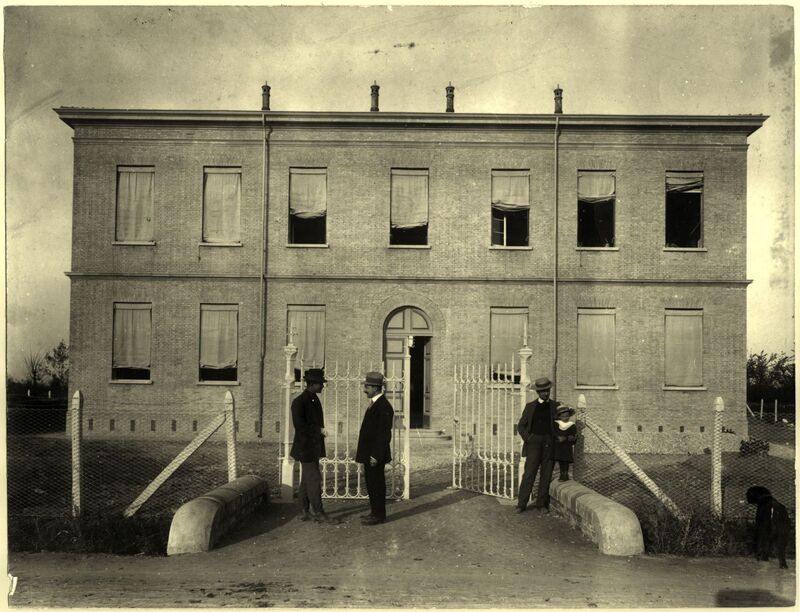
mong the many materials donated by Corrado Ricci to the Classense Library, the photographic archive undoubtedly stands as one of the most valuable records of Ravenna’s history between the 19th and 20th centuries. The photographs were part of what Ricci himself called ‘Raccolta storico iconografica topografica’, a corpus composed of photographs, engravings, drawings, and paintings. In Ricci’s vision, this collection was meant to form the core of a future ‘Istituto di studi locali ravennati’, a project that was never realized. He decided to give these materials new life, by donating them to the Classense Library.
Ravenna and its monuments are among the most frequently represented subjects in the collection. In particular, the accurate mapping of the Byzantine mosaics and the restoration work on Ravenna’s monuments provide scholars with important iconographic evidence. They are accompanied by photographs of Ravenna, works of art, archeological remains, and monuments from other Italian and European cities.
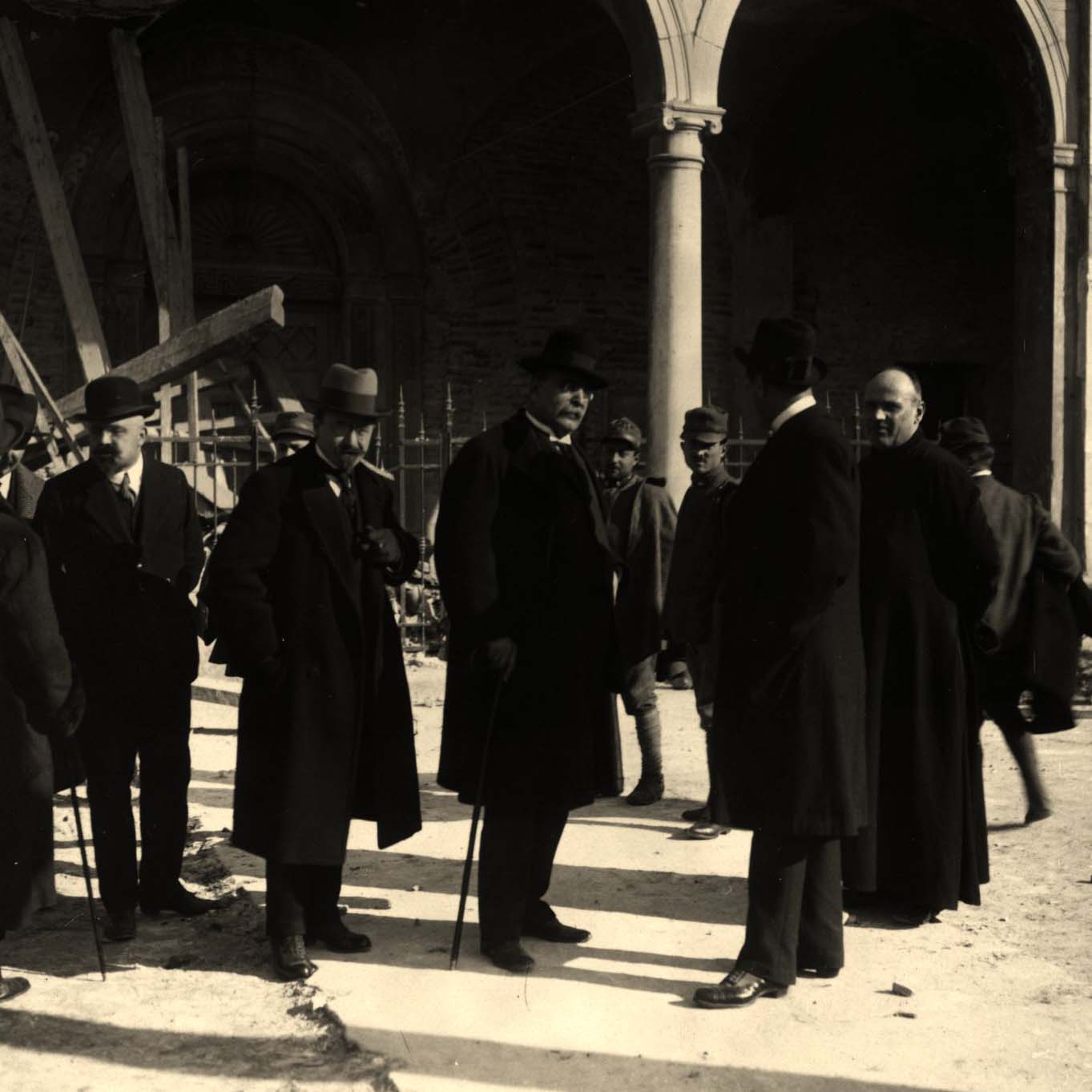
Finally, there are also photographs representing some historic events to give completeness to this archive and rebuild the history of Ravenna and its territories – such as the visit of Victor Emmanuel III to Ravenna or the effects of the Austrian air raids.
The photographers that collaborated with this collection were numberless: from Luigi Ricci, a professional photographer and Corrado’s father, to famous local photographers, such as Umberto Trapani, Pietro Bezzi or Vittorio Chiu soli. There are also important works by some of the most renowned names in the history of Italian photography, including the Anderson studio in Rome, the Alinari in Florence, and the
photographs of the Istituto di Arti Grafiche in Bergamo.